








2026-09-15
How to Choose the Right Tunnel Greenhouse? A Practical Guide Based on Structure, Climate, and Growing Needs
Chapter 1: Why Are There Different Types of Tunnel Greenhouses?
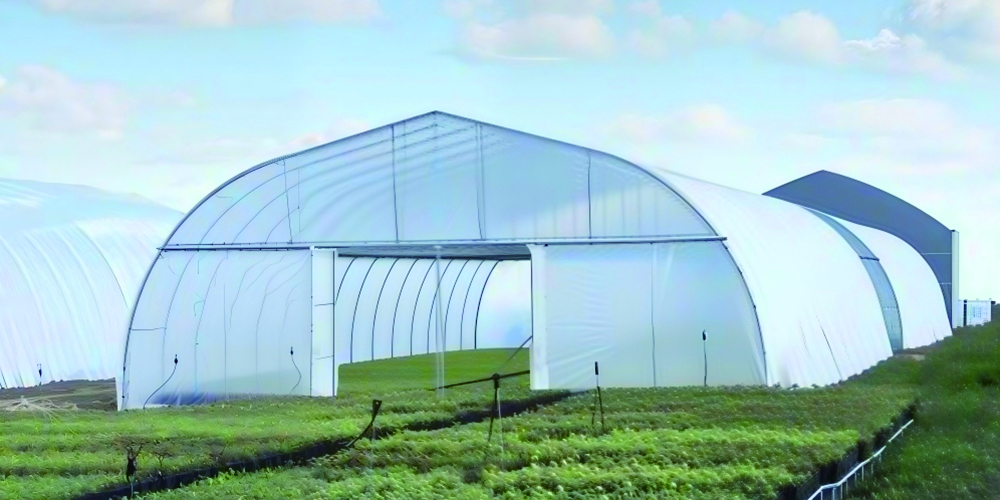
Tunnel greenhouses are not limited to one standard structure. Different agricultural projects have different requirements for climate, crops, production scale, budget, and operation, which has led to various tunnel greenhouse designs, including single-span, multi-span, Gothic, and high tunnel structures. Choosing the right structure affects not only the initial investment but also ventilation, light utilization, space efficiency, and long-term operating performance.
For small-scale or seasonal growing projects, single-span tunnel greenhouses are often a practical choice due to their simple structure and relatively lower investment. For large commercial operations, multi-span tunnel greenhouses can improve land utilization and facilitate centralized management. Gothic tunnel greenhouses offer effective rain and snow drainage, making them suitable for areas with challenging weather conditions, while high tunnel greenhouses provide greater interior working space for vegetables, berries, and other commercial crops.
Therefore, tunnel greenhouse selection should not be based solely on price or appearance. The project location, crop type, production goals, and operating requirements should all be considered. Zheyang Agriculture provides tailored greenhouse design and manufacturing solutions, adapting greenhouse structures, dimensions, covering materials, and supporting systems to meet the specific requirements of different agricultural projects.

Chapter 2: What Are the Main Types of Tunnel Greenhouses?
Tunnel greenhouses can be divided into several types based on structural design, space requirements, and application scenarios. Each type offers different advantages in terms of construction cost, space utilization, ventilation, and climate adaptability, making project-specific selection important.
1. Single Tunnel Greenhouse
A single tunnel greenhouse features a relatively simple structure and is easy to install, making it suitable for small- to medium-scale growing projects. It can provide a practical growing environment for seasonal vegetables, nurseries, and general agricultural production while keeping the initial investment under control.
2. Multi-Span Tunnel Greenhouse
A multi-span tunnel greenhouse connects multiple growing units into a larger production area. It can improve land utilization and facilitate centralized ventilation, irrigation, and environmental management, making it well suited for commercial and large-scale agriculture.
3. Gothic Tunnel Greenhouse
A Gothic tunnel greenhouse uses a pointed arch roof that provides effective rain and snow drainage while creating greater interior space. It can be a suitable option for areas with frequent rainfall or snowfall and commercial projects requiring additional growing and working height.
4. High Tunnel Greenhouse
A high tunnel greenhouse generally provides greater sidewall and ridge height, improving air circulation and creating more convenient working conditions for planting and maintenance. Its flexible design makes it suitable for commercial production of vegetables, berries, and other high-value crops.
Overall, no single tunnel greenhouse design is ideal for every project. Single-span structures focus on cost efficiency, multi-span designs are better suited to large-scale production, while Gothic and high tunnel structures offer advantages for specific climate and space requirements. The final choice should consider the project location, crop type, growing scale, and budget.
Chapter 3: What Factors Should You Consider When Choosing a Tunnel Greenhouse?
Choosing a tunnel greenhouse should involve more than comparing price, size, or appearance. For commercial agricultural projects, the greenhouse structure needs to match the local environment, crop requirements, production scale, and long-term operating goals. Defining these factors in advance can help reduce future modification and operating costs.
1. Local Climate Conditions
Wind speed, snowfall, rainfall, temperature, and sunlight directly affect greenhouse structure and system design. Windy areas require greater structural stability, while snowy regions should consider roof shape, load capacity, and snow shedding. In hot climates, ventilation and cooling become more important.
2. Crop Type
Different crops have different requirements for temperature, humidity, light, and ventilation. Vegetable, flower, berry, and nursery projects may require different interior heights, ventilation methods, and environmental controls. The intended crop should therefore be defined before selecting the greenhouse structure.
3. Growing Scale and Production Goals
Small-scale or seasonal growing projects often prioritize investment efficiency and structural flexibility, while large commercial operations focus more on land utilization, production efficiency, mechanization, and future expansion. Different project scales may therefore require different single-span or multi-span solutions.
4. Covering Materials and Supporting Systems
PE/PO film, polycarbonate panels, and glass offer different levels of light transmission, insulation, durability, and cost. Buyers should also consider ventilation, shading, cooling, irrigation, and environmental control systems according to project requirements.
5. Budget and Long-Term Operating Costs
Greenhouse purchasing should not focus solely on the initial quotation. Maintenance, replacement, energy consumption, and future system upgrades should also be considered. A suitable solution should balance project budget, production efficiency, and service life.
Therefore, the key to selecting a tunnel greenhouse is not finding the cheapest or most complex structure, but finding the solution that best matches the project requirements. A comprehensive evaluation of climate, crops, scale, materials, and budget can improve practical performance and long-term investment value.
Chapter 4: Which Tunnel Greenhouse Is Best for Different Climates and Growing Conditions?
The right tunnel greenhouse should be selected based on the local climate, crops, and production scale rather than price or appearance alone. Different growing environments require different levels of ventilation, shading, insulation, and structural performance. Proper selection can improve production efficiency and reduce long-term operating costs.
Warm and Sunny Areas
For hot and sunny regions, ventilation and cooling are key considerations. High tunnel greenhouses equipped with roll-up side ventilation, shading, and other cooling solutions can help maintain a more suitable growing environment.


