








Multi-Span film greenhouse 13
Double layer inflatable film greenhouse
- Increased heating costs: During late autumn and winter, as outdoor temperatures drop, heat is lost through conduction and thermal radiation; consequently, growers must employ boilers or hot-air heating equipment, which directly drives up heating costs.
- Problems caused by condensation: When warm, humid indoor air comes into contact with the exterior covering material, condensation forms rapidly. In traditional film greenhouses, this moisture collects into large droplets that fall directly onto the crop canopy. As a result, leaves and fruits remain in a damp state, which facilitates the growth of fungi and bacteria.
- Structural fatigue: In strong winds, thin films are prone to violent fluttering; the resulting continuous mechanical friction accelerates the aging of the plastic film and leads to the formation of micro-tears at points of contact. Furthermore, under intense ultraviolet radiation, polyethylene film will undergo degradation within two to three growing seasons.
How do double layer inflatable film greenhouses address these issues?
- Air Insulation Layer: Two layers of commercial-grade greenhouse film are installed, with low-pressure air pumped into the space between them. This creates a continuous, uniform air layer across the entire roof. Since, in a static state, air possesses extremely low thermal conductivity, this pressurized layer acts as an efficient thermal barrier. Compared to a single-layer film structure, it reduces the overall heat transfer coefficient, thereby curbing heat loss at night and lowering energy consumption for heating.
- Anti-drip coating: The inner layer consists of a commercial-grade PO (polyolefin) film, with the interior-facing side treated with a chemical nano-coating. This prevents atmospheric moisture from condensing into large droplets that could fall onto the crops; instead, the moisture flows smoothly down the slope of the roof and into the surrounding drainage gutters, thereby protecting delicate plant tissues.
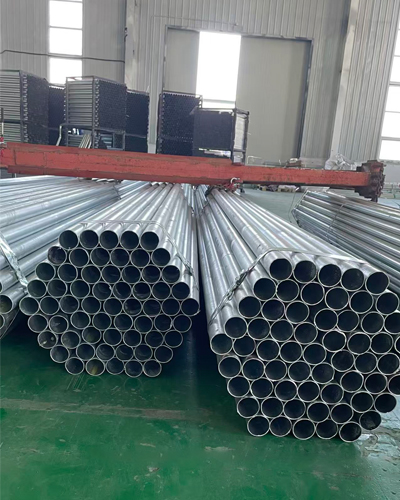
- Structured custom design: The main framework consists of hot-dip galvanized structural steel (with a zinc coating weight of 275–450 g/m²) and utilizes modular bolted connections, ensuring a service life of over 20 years. The roof is covered with a 150–200 micron commercial-grade, UV-resistant PO/PE film, while the inner layer features a 150-micron multi-layer co-extruded film equipped with a durable, nano-based anti-fog and anti-drip coating. The system is also outfitted with low-power, continuous-duty exhaust fans.
- In cold, high-latitude regions—such as Central Asia, Eastern Europe, or northern North America—a double-layer inflatable membrane system can be used. By injecting a uniform, dry, and static layer of air (approximately 100–200 mm thick) between the two membrane layers, a natural thermal-insulating air cushion is created. This serves as an effective heat barrier, offering superior thermal insulation at night compared to a single-layer membrane, thereby reducing the fuel consumption required to maintain target indoor temperatures during the winter.
- In areas prone to severe convective weather, seasonal gusts cause conventional single-layer films to flap, jerk, and rub against one another repeatedly and violently. In contrast, a double-layer film system—kept continuously inflated by a low-pressure centrifugal blower—remains taut and fully expanded at all times. When strong winds strike, the air cushion itself acts as a pneumatic buffer, protecting the connection points between the film and the structural framework from sudden, damaging impact.
- Off-season cultivation of crops highly sensitive to humidity—such as indeterminate commercial tomatoes, snack cucumbers, bell peppers, and elevated strawberries—requires specialized greenhouse solutions. For its double layer inflatable film greenhouses, Zheyang utilizes an outer layer engineered for high UV resistance and superior tensile strength, while the inner layer features a durable, long-lasting anti-drip and anti-fog coating. By preventing the formation of water droplets, this system helps reduce the frequency of fungicide applications.
Related Products





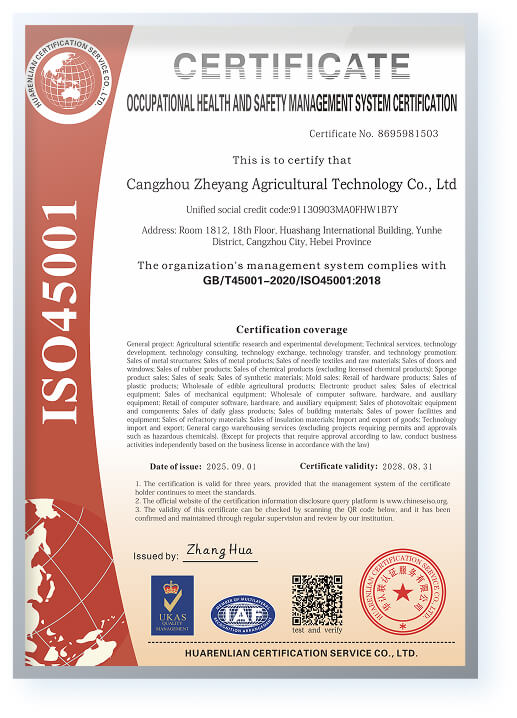



Brand Trust
Brand Certification, Win-Win Cooperation
Construction Companies
We Provide Technical Design, Equipment Supply And Construction Coordination For Greenhouse Projects, Integrating Construction And Agricultural Technology Resources To Help Efficiently Complete Comprehensive Agricultural Projects.

Customized Precise Services
Our Technical Team Deeply Adapts To The Planting Needs Of Different Climate Zones And Crops, Providing You With a Full-Chain Customized Solution From Scheme Design To Operation And Maintenance Support.

Global Delivery Experience
Relying On Mature Experience Serving More Than 1,000 Customers In Over 90 Countries Worldwide, We Understand That Detailed Control Is The Core Guarantee Of Project Success, And We Can Efficiently Handle The Complex Scenarios And Delivery Requirements Of Overseas Projects.

/5