







Multi-Span film greenhouse 08
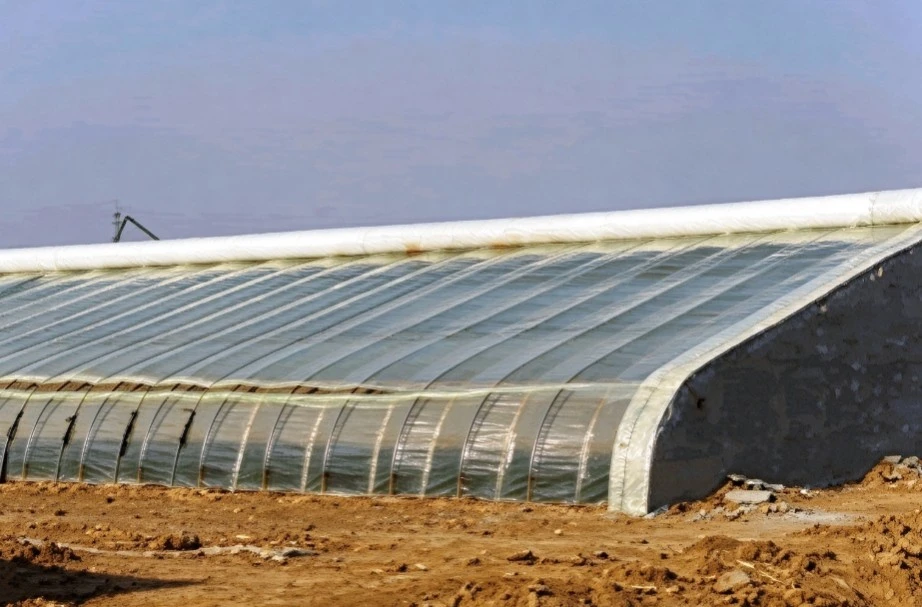
Multi-span film solar greenhouse
Span and Height: The span—typically ranging from 6 to 12 meters—is determined by the type of crop. The height of the side walls is also tailored to the specific crop; for instance, taller crops require higher gutters, while shorter crops allow for a lower framework.
Covering Film: The choice of film depends primarily on the climate. In colder regions, we recommend using UV-stabilized, multi-layer films with anti-drip and anti-fog coatings, which effectively prevent condensation from dripping onto the foliage. In hotter regions, we suggest using a light-diffusing film, which scatters sunlight evenly and helps prevent leaf scorch.
Prefabricated Structure: Every steel component is cut, drilled, and numbered at the factory. Local teams can assemble the structure using the provided blueprints, parts lists, and step-by-step video guides—no heavy machinery is required.
During the spring and autumn seasons, ventilation in multi-span film solar greenhouse is primarily achieved through natural means, utilizing wind pressure and thermal buoyancy (the"chimney effect"). This process serves to cool the greenhouse environment and replenish carbon dioxide levels. An electric film-rolling system is a highly practical solution for facilitating such natural ventilation.
In this setup, an electric film-rolling mechanism—typically an imported unit—rotates a drive shaft to roll up the covering material along the front slope of the greenhouse. This creates an opening approximately one meter high that spans the entire length of the structure. Working in tandem with roof vents, it establishes an effective airflow, offering a large ventilation area, high efficiency, and a high degree of automation.
Furthermore, this ventilation process helps remove excess water vapor from the greenhouse, lowering the relative humidity. By doing so, it reduces the risk of high-humidity-related diseases—such as downy mildew, gray mold (Botrytis), and powdery mildew—thereby decreasing the need for chemical pesticides and aligning perfectly with the requirements of commercial-scale cultivation.
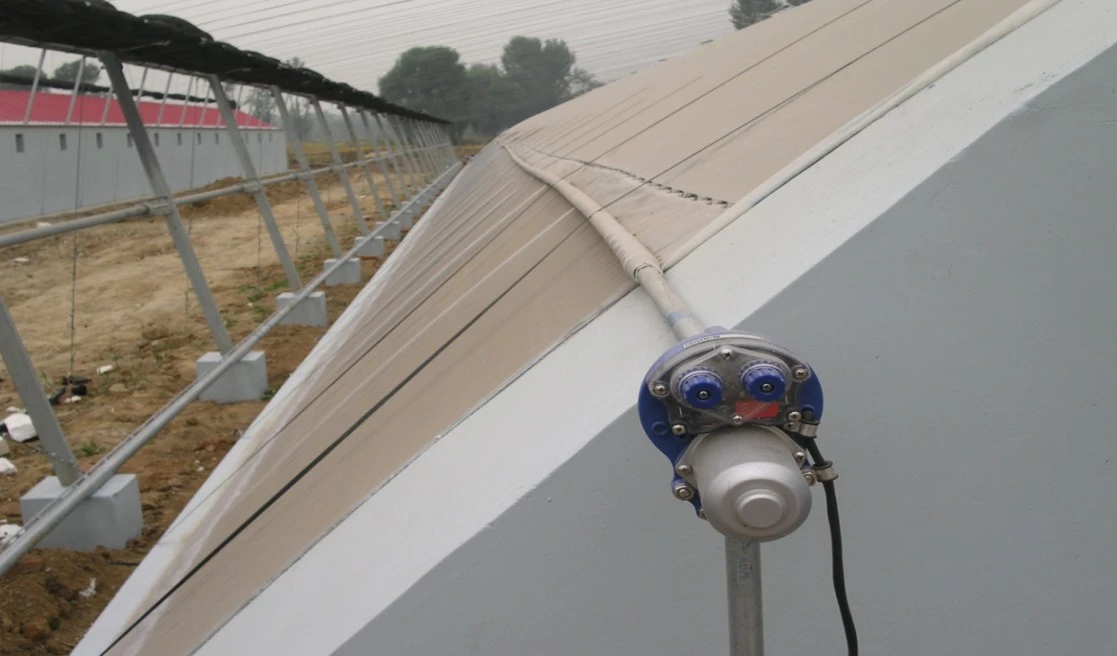
In plastic-film solar greenhouse, thermal blankets serve primarily as an external insulation layer. They are characterized by high thermal efficiency, a long service life, and a lightweight design. After sunset, when the outside temperature drops rapidly, these blankets are deployed to fully cover the roof of the greenhouse; after sunrise, they are retracted using a motorized rolling system, allowing sunlight to enter and ensuring the crops receive adequate light. Thermal blankets are typically used with multi-span film greenhouses in regions with cold winters, facilitating activities such as vegetable seedling cultivation and the overwintering of fruits and vegetables. In extremely cold regions, thicker versions of these blankets can be used to provide enhanced thermal protection.
Related Products









Brand Trust
Brand Certification, Win-Win Cooperation
Construction Companies
We Provide Technical Design, Equipment Supply And Construction Coordination For Greenhouse Projects, Integrating Construction And Agricultural Technology Resources To Help Efficiently Complete Comprehensive Agricultural Projects.

Customized Precise Services
Our Technical Team Deeply Adapts To The Planting Needs Of Different Climate Zones And Crops, Providing You With a Full-Chain Customized Solution From Scheme Design To Operation And Maintenance Support.

Global Delivery Experience
Relying On Mature Experience Serving More Than 1,000 Customers In Over 90 Countries Worldwide, We Understand That Detailed Control Is The Core Guarantee Of Project Success, And We Can Efficiently Handle The Complex Scenarios And Delivery Requirements Of Overseas Projects.

/5