







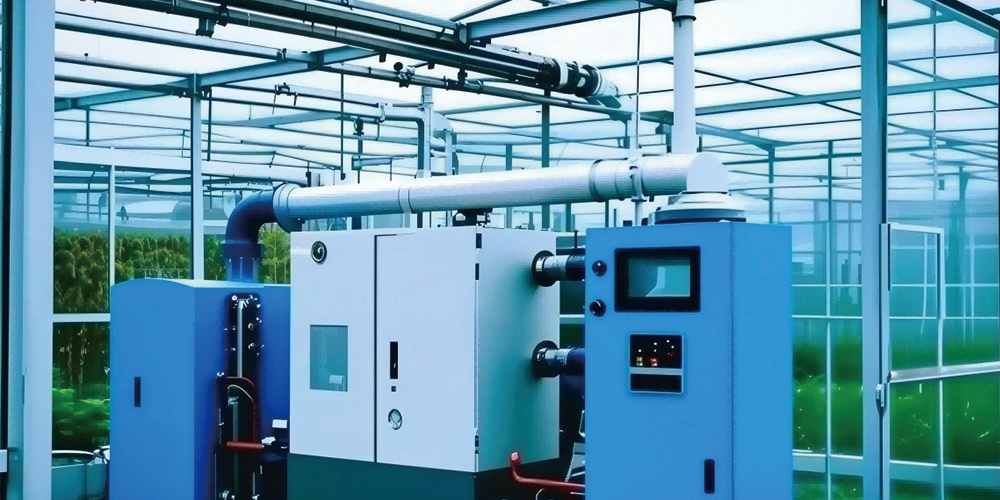
Powering Smart Agriculture: Solar Greenhouse Systems Usher in a New Era of Sustainable Farming
From "Energy Consumer" to "Energy Prosumer": A Fundamental Shift in Greenhouse Energy Roles
Traditional greenhouse operations are heavily dependent on the grid and fossil fuels, with energy costs accounting for 30%-60% of total operating expenses. The introduction of solar systems transforms greenhouses from pure energy consumers into energy producers and consumers (prosumers). This shift signifies not just a direct reduction in electricity bills, but a qualitative leap in farm operational autonomy and risk resilience. By generating and storing on-site power, agricultural producers can effectively hedge against energy price volatility and reduce reliance on unstable grids.
Technical Architecture and Core Components of Solar Greenhouse Systems
A complete greenhouse solar system is a sophisticated energy ecosystem, typically comprising the following core parts working in synergy:
-
Photovoltaic (PV) Generation Units: The core power generation component. Depending on greenhouse design, standard PV panels can be roof-mounted, or semi-transparent/translucent photovoltaic glass can replace some covering materials to achieve dual functionality of power generation and light transmission (BIPV technology).
-
Smart Inverters and Controllers: Convert the DC power generated by PV panels into AC power usable by equipment. They intelligently distribute power supply, prioritizing critical greenhouse loads (e.g., ventilation, irrigation), while channeling surplus power to storage or grid feed-in.
-
Battery Energy Storage Systems (BESS): The "reservoir" of the system. They store excess energy generated during the day for use at night, on cloudy days, or during power outages, ensuring 24/7 uninterrupted operation of environmental controls—critical for crop safety and stable output.
-
Energy Monitoring Platforms: Utilize IoT sensors and software to monitor generation, storage, and consumption data in real-time, providing data support for energy optimization and fault pre-warning.
Core Value: The Triple Drive of Economic, Environmental, and Production Benefits
The value of solar greenhouse systems extends far beyond "saving electricity," creating significant gains for agricultural production across multiple dimensions:
-
Significant Economic Returns:
-
Direct Operational Cost Reduction: Can save 30%-50% or more in annual electricity expenditures.
-
Attractive Long-Term Investment: Despite initial equipment costs, considering the system lifecycle (typically 20-25 years) and rising electricity prices, the Internal Rate of Return (IRR) is substantial, with payback periods usually ranging from 5 to 8 years.
-
Policy Incentives: Can leverage subsidies, tax breaks, or carbon credit trading benefits offered for renewable energy in various regions.
-
-
Environmental Sustainability:
-
Zero Carbon Footprint: Drastically reduces fossil fuel use, helping achieve "carbon-neutral" farm goals and meeting increasingly stringent sustainability requirements in global agricultural markets.
-
Reduced Noise and Pollution: The PV generation process is silent and emission-free, improving the on-farm working environment.
-
-
Production Stability and Yield Enhancement:
-
Precision Environmental Control: Stable power ensures efficient operation of temperature control, ventilation, supplemental lighting, and CO₂ fertilization systems, maintaining optimal crop growth curves.
-
Blackout Risk Mitigation: Battery storage can seamlessly take over during grid failures, protecting high-value crops from devastating losses.
-
Extended Production Cycles: In low-light or cold seasons, reliable power supports supplementary lighting and heating, enabling year-round cultivation and improving land and facility utilization.
-
Addressing Industry Pain Points: Solving Three Core Challenges for Farmers
The traditional agricultural energy model has long presented farmers with three major challenges, which solar systems directly address:
-
Pain Point 1: High Electricity Costs Eroding Profit Margins → Solution: On-site generation and storage directly slash one of the largest variable costs.
-
Pain Point 2: Unstable Grid Supply Leading to Reduced or Lost Production → Solution: Off-grid/on-grid hybrid designs with instant battery response provide "power insurance."
-
Pain Point 3: Volatile Fossil Fuel Prices Complicating Cost Planning → Solution: Convert fluctuating energy costs into predictable fixed investments, locking in long-term cost advantages.
Global Application Scenarios and Success Stories
From large-scale commercial farms to family holdings, solar greenhouses are proving their value across diverse climates and crop types worldwide:


