



2026-11-10
How Should Growers Plan a Commercial Greenhouse?
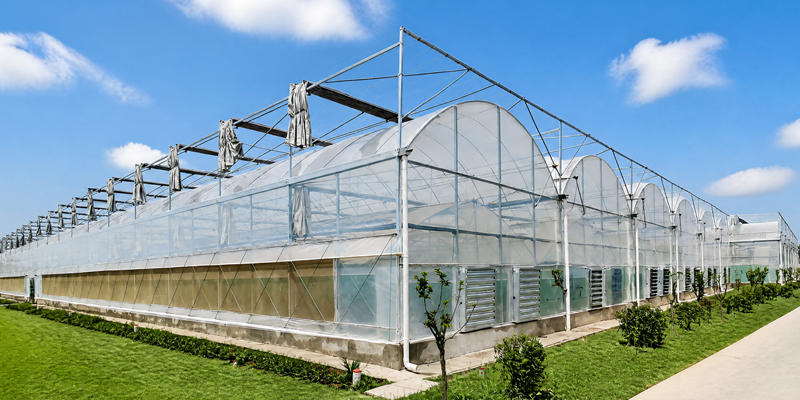
Commercial film greenhouses account for over 80% of the total global greenhouse area. By utilizing five-layer co-extruded polyolefin (PO) film, these structures can provide continuous anti-drip performance for 3–5 years, achieve a light transmission rate exceeding 90%, and remain significantly more cost-effective than greenhouses with rigid structures.
Commercial polycarbonate greenhouses offer 200 times the impact resistance of glass, enabling them to withstand severe hailstorms, while their cellular, hollow-structured design can reduce heating costs by 30%–40%.
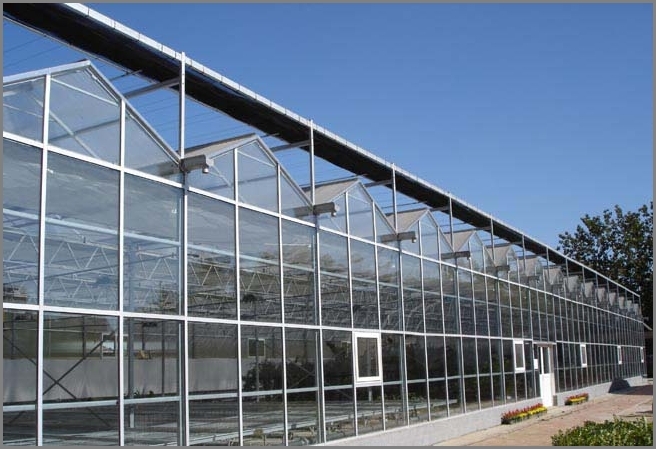
Commercial glass greenhouses represent the global benchmark for automated, environmentally controlled commercial horticulture; they are designed to maximize natural light exposure and support long-term, continuous operation.
So, the question arises: which type of commercial greenhouse should a grower choose when planning a greenhouse project? In reality, there is no single "best" greenhouse; the ideal choice is one that aligns with local climatic conditions and the specific requirements of the crops being grown. To help growers avoid pitfalls during the selection process, we provide recommendations below tailored to various representative growing environments found in global agriculture.
- For tropical and subtropical climates characterized by high temperatures and high humidity—featuring persistent heat and humidity year-round, as well as frequent typhoons and storms—a commercial film greenhouse is recommended. This structure should be clad in 150μm–200μm ultra-UV-resistant polyolefin (PO) film, with vents enclosed by high-density 50-mesh or 60-mesh insect netting. An external aluminum-foil shade screen with a shading rate of 55%–75% should be installed. A high-eave design (4.5m–6.0m) helps isolate the crop-growing zone from the hot air that accumulates near the roof, while widened and thickened hot-dip galvanized integrated gutters are essential to withstand the intense, short-duration convective downpours typical of tropical regions.
- Regions prone to frequent hail and strong coastal winds—such as the severe convective hail belts of North America or the wind-exposed coastal corridors of the Mediterranean—often experience sudden, intense hailstorms during the summer and autumn. For these environments, commercial polycarbonate greenhouses are highly recommended. Renowned for their superior impact resistance, polycarbonate sheets are 200 times stronger than float glass and 30 times stronger than tempered glass, easily withstanding impacts from hail and flying debris. Their lightweight nature reduces the load-bearing requirements for the primary steel structure, and unlike rigid materials, they will not shatter due to foundation settlement or minor structural deformation. It is advisable to select optical-grade PC sheets featuring a 50μm co-extruded UV-resistant layer—typically backed by a 10-year warranty—and to secure them using specialized aluminum cover profiles paired with EPDM rubber gaskets. This mechanical fastening system ensures the panels remain firmly in place, effectively preventing them from being dislodged by high winds.
- For high-latitude regions characterized by mild temperatures but low light levels—where overcast, rainy weather and short daylight hours result in a scarcity of solar energy—commercial glass greenhouses are the recommended solution for cultivating high-value crops. Tempered glass offers a light transmission rate of 91%–92% or higher and remains durable over long periods without the risk of aging or becoming brittle. These structures typically feature double-sided diffuse-reflection tempered glass on the roof to minimize intense, localized light spots, while the sides utilize double-glazed insulated glass to enhance thermal retention. When combined with integrated high-pressure or overhead supplemental lighting systems and CO2 enrichment systems, these greenhouses serve as an ideal choice for modern smart agricultural facilities and high-tech soilless hydroponic operations.