







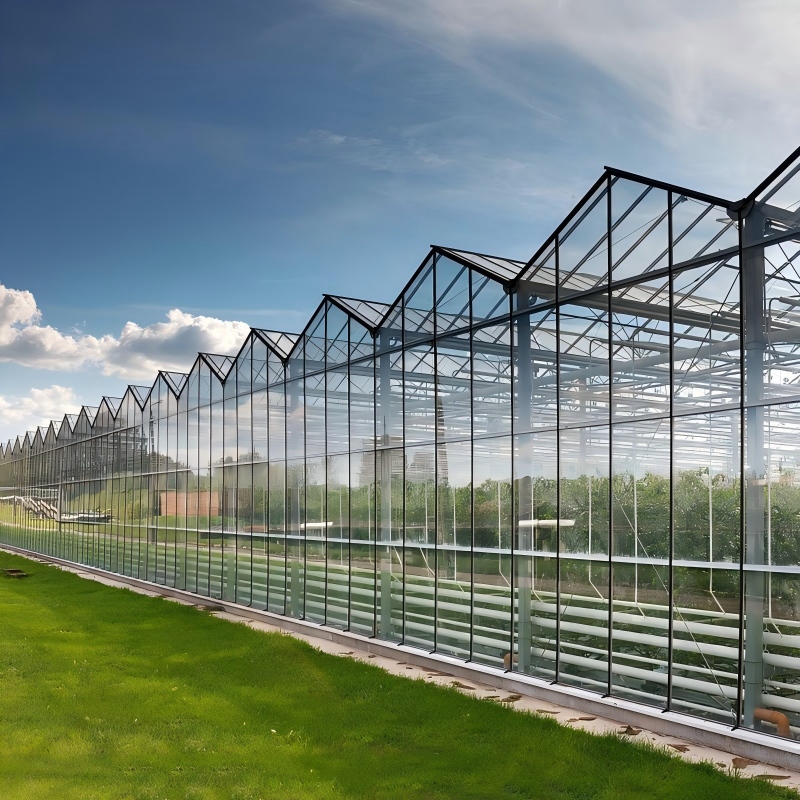
Tailored Glass Greenhouse Projects: How to Reduce Investment Risks from Design to Construction and Delivery
Chapter 1: Why Do Commercial Glass Greenhouse Projects Require Tailored Solutions?
Designing According to Local Conditions to Reduce Operational Risks
Climate conditions directly influence greenhouse design. For example, cold regions require better insulation performance and energy efficiency, while hot climates require optimized ventilation, shading, and cooling systems. Areas with strong winds or heavy snow also require stronger structural designs.Using a standard greenhouse solution without considering local conditions may result in poor operational efficiency and additional modification costs. Therefore, climate analysis, site evaluation, and engineering optimization at the early design stage are essential for reducing investment risks.
Selecting the Right Greenhouse System Based on Crop Requirements
Commercial greenhouse design should be based on actual production requirements. Different crops have different demands for light, temperature, humidity, and cultivation space.
For example:
- Commercial vegetable production requires efficient climate control to improve yield and quality;
- Flower cultivation focuses more on light management and temperature stability;
- Research and breeding projects require more precise environmental control.
Therefore, greenhouse structures, glass specifications, and supporting systems should be selected according to project objectives rather than using a fixed solution.
Avoiding Investment Risks from Standardized Solutions
For large-scale commercial greenhouse projects, insufficient planning may lead to various risks, including:
- greenhouse structures unsuitable for local climate conditions;
- environmental systems that cannot meet production requirements;
- higher-than-expected energy consumption;
- difficulties in future expansion and upgrades.
Compared with suppliers that only provide standardized products, professional greenhouse manufacturers should participate from the planning stage and provide comprehensive support, including structural design, material selection, system configuration, and construction guidance.
Tailored Design Improves Long-Term Investment Value
The value of a commercial glass greenhouse is not only determined by construction costs but also by long-term operational efficiency and return on investment. Through tailored design, investors can optimize greenhouse structures, improve space utilization, reduce energy consumption, and prepare for future expansion.
As a professional greenhouse design and manufacturing supplier in China, Zheyang Agriculture provides tailored glass greenhouse solutions based on different climates and agricultural project requirements. From initial planning and engineering design to manufacturing and delivery, Zheyang Agriculture helps customers build more efficient, reliable, and sustainable greenhouse systems.

Chapter 2: How Can Professional Design Reduce Greenhouse Investment Risks?
For commercial glass greenhouse projects, preliminary design is not simply about determining the greenhouse structure and size. It is a critical stage that directly affects investment efficiency, operational costs, and long-term returns. A well-planned design helps investors identify potential risks early and avoid additional expenses caused by unsuitable structures, insufficient systems, or future modifications.
Project Requirement Analysis Is the First Step to Risk Reduction
During the planning stage, a clear understanding of project requirements is essential for creating an effective greenhouse design.
Professional greenhouse suppliers should evaluate:
- local climate conditions, including temperature, rainfall, and wind or snow loads;
- crop types and production methods;
- greenhouse layout, size, and future expansion plans;
- automation and environmental control requirements;
- investment budget and operational goals.
For example, a greenhouse designed for commercial vegetable production will have different requirements from one used for research or breeding projects. Without proper planning, investors may face insufficient functionality or unnecessary investment costs.
Selecting the Right Structure and Materials Improves Investment Efficiency
The investment cost of a commercial glass greenhouse is closely related to its structure, covering materials, and supporting systems. A professional design should select suitable solutions based on project requirements rather than focusing only on initial costs.
For example, Venlo glass greenhouses are widely used in large-scale agricultural projects due to their excellent light transmission, efficient space utilization, and compatibility with smart control systems. However, the design still needs to be adjusted according to local conditions and specific applications.
When selecting glass materials, investors should consider:
- tempered glass thickness;
- light transmission rate;
- insulation performance;
- impact resistance;
- long-term maintenance costs.
Proper selection of structures and materials helps balance initial investment with long-term operational efficiency.
Reducing Long-Term Operating Costs Through Integrated Design
The value of a commercial greenhouse is reflected not only during construction but also throughout long-term operation. Therefore, energy efficiency and management convenience should be considered during the design stage.
For example:
- designing efficient ventilation systems for better climate regulation;
- installing shading systems to reduce summer energy consumption;
- integrating smart control systems for precise environmental management;
- optimizing irrigation and fertilization systems to improve productivity.
Without integrated planning, even a high-quality greenhouse structure may suffer from high energy costs and inefficient management, reducing overall investment returns.
Professional Design Supports Stable Investment Returns
Commercial glass greenhouse projects involve multiple aspects, including structural engineering, agricultural production, equipment systems, and long-term operation. Any weakness in the design stage can affect project profitability. Therefore, selecting a supplier with professional engineering capabilities is essential for reducing investment risks.
Zheyang Agriculture provides tailored greenhouse design and manufacturing solutions based on customers’ locations, crop requirements, and operational goals. From structural planning and material selection to system integration, Zheyang Agriculture helps investors optimize their projects from the beginning and reduce uncertainties during construction and operation.
With professional design, commercial greenhouse projects can not only meet current production needs but also provide flexibility for future upgrades and expansion.
Chapter 3: How to Select a Reliable Glass Greenhouse Supplier and Reduce Construction Risks?
For commercial glass greenhouse projects, supplier selection directly affects project quality, construction schedules, and long-term operational performance. A greenhouse is not simply a combination of steel structures and glass panels, but an integrated system involving structural design, material manufacturing, environmental control, and project management.Choosing a supplier with professional experience and engineering capabilities is essential for reducing construction risks and ensuring long-term project success.
Does the Supplier Have Complete Project Service Capabilities?
Commercial greenhouse projects involve multiple stages, including planning, structural design, manufacturing, and installation. Therefore, investors should evaluate not only product prices but also the supplier’s overall project capabilities.
A professional greenhouse supplier should be able to provide:
- project requirement analysis;
- greenhouse engineering design;
- material selection and manufacturing;
- installation guidance and technical support;
- maintenance and upgrade services.
Compared with suppliers that only provide standardized products, companies with complete solution capabilities can better coordinate the entire process and reduce communication issues and project uncertainties.
How to Evaluate Greenhouse Manufacturing Quality?
The durability and stability of a glass greenhouse largely depend on manufacturing quality. During supplier evaluation, investors should focus on material standards, production processes, and quality control systems.
Key factors include:
The greenhouse structure must withstand long-term environmental pressure, including wind, snow, and climate changes. Steel specifications, corrosion protection, and connection methods directly affect structural safety.
For commercial glass greenhouses, investors should consider:
- glass thickness;
- light transmission performance;
- installation reliability;
- long-term weather resistance.
Components such as connectors, aluminum profiles, and sealing systems influence installation efficiency and overall stability. High-quality manufacturing helps reduce construction errors and improves greenhouse reliability.
Project Delivery Time and Management Capability Matter
For commercial agricultural projects, construction delays can directly affect planting schedules and investment returns. If a greenhouse is not completed on time, investors may miss optimal planting seasons and face additional operational costs.
When selecting a supplier, buyers should confirm:
- production timeline;
- project schedule;
- logistics planning;
- installation coordination;
- after-sales support.
Experienced suppliers can create realistic project plans and identify potential challenges before they affect delivery.
Choosing a Professional Supplier Ensures Project Success
Commercial glass greenhouse projects require significant investment and professional expertise. A reliable supplier should provide not only high-quality products but also comprehensive capabilities in planning, engineering, and project execution.Zheyang Agriculture is a professional greenhouse design and manufacturing supplier in China, providing tailored greenhouse solutions for global commercial agricultural projects. Instead of offering standardized greenhouse products, Zheyang Agriculture develops solutions based on customers’ climate conditions, crop requirements, and project objectives.Through professional engineering capabilities and strict manufacturing processes, Zheyang Agriculture helps customers reduce construction risks, improve project reliability, and achieve greater long-term value from their greenhouse investments.
Chapter 4: Zheyang Agriculture Glass Greenhouse Solutions: Tailored Greenhouse Systems for Commercial Projects
For commercial glass greenhouse projects, choosing the right supplier affects not only construction quality but also long-term operational efficiency and investment returns. Since climate conditions, crop requirements, and operation models vary significantly between projects, standardized greenhouse products often cannot fully meet the needs of modern agricultural developments.
As a professional greenhouse design and manufacturing supplier in China, Zheyang Agriculture provides tailored glass greenhouse solutions for global customers. From initial planning and structural design to manufacturing and project delivery, Zheyang Agriculture helps clients reduce investment risks and achieve efficient, sustainable agricultural production.
Tailored Design Solutions Based on Project Requirements
The key to a successful commercial greenhouse project is not simply using existing products, but creating a solution that fits specific requirements. At the beginning of each project, Zheyang Agriculture evaluates customer needs and develops suitable designs based on local conditions.
The design process considers:
- climate factors, including temperature, rainfall, and wind or snow loads;
- crop types, such as vegetables, flowers, and research cultivation;
- greenhouse size and layout;
- automation and supporting system requirements;
- future expansion possibilities.
Through tailored design, greenhouse systems can better adapt to local environments, improve productivity, and reduce future modification costs.
Commercial Tempered Glass Greenhouse Solutions
Zheyang Agriculture provides various commercial glass greenhouse solutions. Among them, tempered glass greenhouses are widely used in large-scale agricultural projects due to their excellent light transmission, structural stability, and long service life.
Venlo greenhouses are widely adopted in modern commercial agriculture because they offer:
- excellent natural lighting performance;
- modular design for large-scale construction;
- stable structures for long-term operation;
- compatibility with smart climate control systems.
Applications include:
- commercial vegetable production;
- flower cultivation facilities;
- agricultural demonstration projects;
- research greenhouses.
Tailored Tempered Glass Greenhouse
Based on specific project requirements, Zheyang Agriculture can adjust:
- greenhouse dimensions and structures;
- tempered glass specifications;
- ventilation, shading, and cooling systems;
- irrigation and environmental control solutions.
This flexible approach helps customers achieve a balance between performance, investment cost, and operational efficiency.
Complete Project Support from Design to Delivery
Commercial glass greenhouse construction involves multiple stages, and problems at any stage may affect project schedules and results. Therefore, suppliers need to provide not only products but also comprehensive project management capabilities.
Zheyang Agriculture provides:
- project requirement communication;
- engineering design;
- greenhouse manufacturing;
- delivery coordination;
- technical support.
From project planning to final operation, Zheyang Agriculture focuses on quality control throughout the entire process to ensure that greenhouse systems meet customer expectations.
Zheyang Agriculture: Reliable Greenhouse Solutions for Global Agricultural Projects
As modern agriculture moves toward larger-scale and smarter production, commercial greenhouse projects require higher standards in design, manufacturing, and long-term support.
Zheyang Agriculture focuses on project-specific requirements rather than simple standardized greenhouse products. Through professional design, reliable manufacturing, and comprehensive service, Zheyang Agriculture helps global customers build efficient, stable, and sustainable commercial glass greenhouse systems.
Chapter 5: How to Ensure Long-Term Returns After Glass Greenhouse Construction?
For commercial glass greenhouse projects, project completion is not the end of investment but the beginning of long-term operational value. A successful greenhouse project requires not only reliable construction quality but also continuous improvement in production efficiency, cost control, and future adaptability.
Therefore, investors should consider construction, production management, and long-term maintenance to ensure that the greenhouse system delivers sustainable economic benefits.
Optimizing Greenhouse Design to Reduce Long-Term Operating Costs
Operational costs of commercial glass greenhouses mainly include energy consumption, equipment maintenance, and labor management. Proper design can reduce future operating pressure and improve overall investment returns.
For example, by optimizing greenhouse structures and climate control systems, investors can improve internal environmental conditions through:
- maximizing natural light utilization;
- installing efficient ventilation systems;
- integrating shading systems to reduce cooling costs;
- applying smart control systems for precise environmental management.
For large-scale projects, a reasonable initial investment in design and equipment can significantly improve long-term profitability by reducing operating expenses.
Smart Management Improves Greenhouse Productivity
With the development of smart agriculture, environmental control systems have become an important part of modern commercial glass greenhouses. Smart technologies allow operators to monitor temperature, humidity, light levels, and CO₂ concentration in real time and adjust conditions according to crop requirements.
Smart greenhouse systems help businesses:
- improve crop yield and quality;
- reduce labor costs;
- minimize operational errors;
- achieve more stable production.
For large-scale agricultural projects, automation and intelligent management transform greenhouses from simple cultivation spaces into efficient production systems.
Regular Maintenance and Upgrades Ensure Long-Term Performance
Commercial glass greenhouses are designed for long-term operation, making regular maintenance essential for extending service life.
Investors should pay attention to:
- steel structure corrosion protection;
- glass and sealing system inspections;
- irrigation and climate control equipment maintenance;
- timely replacement of critical components.
In addition, greenhouse systems should be flexible enough to support future upgrades, such as automation improvements, new cultivation methods, or production expansion.
Choosing a supplier with long-term technical support capabilities helps ensure continuous and stable greenhouse operation.
Building Long-Term Partnerships for Sustainable Investment Value
A commercial greenhouse project is not a one-time purchase but a long-term agricultural investment. A reliable supplier should provide not only high-quality greenhouse products but also continuous support throughout the project lifecycle.
Zheyang Agriculture specializes in providing tailored greenhouse design and manufacturing solutions for global customers. Instead of offering standardized greenhouse products, Zheyang Agriculture develops solutions based on project locations, crop requirements, and operational goals, covering design, manufacturing, delivery, and technical support.
With professional engineering experience and project management capabilities, Zheyang Agriculture helps customers optimize greenhouse investments, improve operational efficiency, and create a reliable foundation for future expansion and upgrades.
Conclusion: Strategic Planning Creates Long-Term Greenhouse Value
The success of a commercial glass greenhouse depends not only on construction quality but also on long-term operational efficiency and management capability. From initial design and system selection to smart operation and maintenance, every stage influences the final investment return.
By working with professional suppliers and implementing tailored solutions, investors can reduce operational risks, improve productivity, and maximize the long-term value of their commercial glass greenhouse projects.
FAQ: Custom Glass Greenhouse Projects
Q1: How much does a custom glass greenhouse project cost?
The cost of a custom glass greenhouse project depends on multiple factors, including greenhouse size, structural design, glass specifications, environmental control systems, and project location.
For example, a large commercial greenhouse with advanced automation systems and climate control equipment will require a higher investment than a basic cultivation greenhouse. In addition, local climate conditions, transportation costs, installation requirements, and project complexity can also affect the final price.
Therefore, there is no fixed price for custom glass greenhouses. A professional supplier will evaluate the specific project requirements and provide a tailored solution with a detailed quotation.
Q2: What is the best glass greenhouse structure for commercial farming?
For large-scale commercial farming projects, Venlo glass greenhouses are one of the most widely used structures due to their excellent light transmission, efficient space utilization, and compatibility with modern agricultural technologies.
Venlo greenhouses are suitable for applications such as commercial vegetable production, flower cultivation, agricultural demonstration projects, and research facilities. Their modular structure makes them easier to expand and integrate with automated systems, including ventilation, shading, irrigation, and climate control solutions.
However, the ideal greenhouse structure depends on specific project conditions. Factors such as local climate, crop requirements, investment budget, and future development plans should all be considered before selecting the final design.
Q3: How does Zheyang Agriculture customize greenhouse solutions?
Zheyang Agriculture provides tailored greenhouse solutions based on each customer's project requirements, including climate conditions, crop types, greenhouse scale, automation needs, and investment objectives.
Instead of offering standardized greenhouse kits, Zheyang Agriculture focuses on project-specific engineering solutions. Our team works with customers from the initial planning stage, providing support in greenhouse design, structural selection, material recommendations, manufacturing, and project delivery.
By combining professional design capabilities with manufacturing experience, Zheyang Agriculture helps customers build greenhouse systems that are suitable for their local environment and long-term production goals.
Q4: How can investors reduce risks when building a commercial greenhouse?
Investors can reduce risks by focusing on several key aspects before and during greenhouse construction:
- Choosing an experienced greenhouse supplier with engineering and manufacturing capabilities;
- Conducting detailed project analysis before design, including climate conditions and crop requirements;
- Selecting suitable greenhouse structures and materials based on actual application needs;
- Confirming clear project schedules, quality standards, and delivery plans;
- Considering long-term operation, maintenance, and future expansion requirements.
A professional greenhouse partner can help identify potential challenges in advance and provide solutions that improve project reliability and investment efficiency.


