







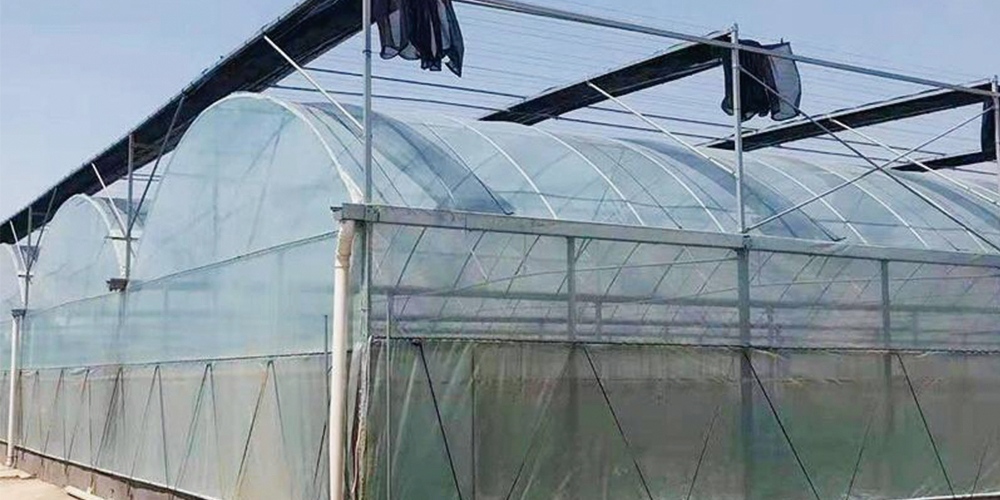
How Glass Greenhouses Are Transforming Modern Architecture and Sustainability
This article explores the key benefits of using specialized building glass in greenhouse construction and explains why this trend is becoming a cornerstone of sustainable design.
1. Maximizing Natural Light While Reducing Energy Costs
The most significant advantage of a glass greenhouse is its ability to capture and distribute natural light. Unlike polycarbonate or plastic films, high-quality architectural glass allows over 90% of sunlight to penetrate deep into the interior. This reduces reliance on artificial lighting during daytime – a major energy saving for commercial growers or building owners.
To further improve thermal performance, many projects now use double or triple-glazed glass. These solutions maintain stable indoor temperatures, cut heating bills in winter, and reflect excess heat in summer.
2. Choosing the Right Glass for Performance and Longevity
Not all glass is the same. For a greenhouse intended to function as part of a modern building, the following glass technologies are highly recommended :
-
Low-Emissivity (Low-E) Glass
Lets sunlight in while reflecting interior heat back inside. Ideal for cold climates. -
Self-Cleaning Glass
Coated with a photocatalytic layer that breaks down dirt and uses rainwater to wash it away – reducing maintenance costs. -
Anti-Reflective Glass
Increases light transmission and reduces glare, making the greenhouse more pleasant for occupants and visitors.
These options not only extend the life of the structure but also contribute to green building certifications like LEED or BREEAM.
3. Supporting Sustainable and Biophilic Design
Modern architecture increasingly embraces biophilic design – the practice of connecting building occupants more closely to nature. A glass greenhouse serves as a perfect expression of this philosophy.
-
Improves mental health: Access to greenery and daylight reduces stress and boosts productivity.
-
Enhances biodiversity: Even in dense urban areas, a glass greenhouse can host plants, insects, and birds.
-
Reduces carbon footprint: By passively heating and lighting the space, it lowers dependency on HVAC and electrical systems.
For architects and developers, adding a glass greenhouse is a tangible step toward meeting net-zero carbon goals.
4. Versatile Design: Blending Indoors and Outdoors
Gone are the days when greenhouses looked like utilitarian farm structures. With modern aluminum framing and minimalist glass panels, glass greenhouses can match any architectural style – from contemporary villas to renovated industrial lofts.
They create a seamless transition between indoor living spaces and the outdoors. Imagine a glass-enclosed winter garden, a rooftop greenhouse on an office building, or an atrium with edible plants and seating areas. These applications are already being built worldwide.
5. Practical Considerations for Your Project
Before installing a glass greenhouse as part of a building project, keep in mind:
-
Orientation: South-facing glazing maximizes winter light.
-
Ventilation: Automated roof vents or louvres prevent overheating.
-
Shading: Internal or external blinds help manage summer solar gain.
-
Local regulations: Check building codes for glass strength and safety requirements (e.g., tempered or laminated glass).
Conclusion
Glass greenhouses have moved beyond their agricultural origins to become a powerful tool in modern architecture. By combining advanced glass technologies, sustainable operation, and beautiful design, they add real value to any building project. Whether you are an architect, developer, or property owner, investing in a high-performance glass greenhouse is a decision that benefits both people and the planet.
As the demand for energy-efficient and nature-connected spaces grows, expect to see glass greenhouses become a staple in the building materials and decoration industry.


