







2026-10-20
How can smart glass polycarbonate greenhouses significantly reduce energy consumption for cultivation
Many growers discover only after their greenhouses are operational that traditional all-glass structures offer poor thermal insulation; they lose heat rapidly during the winter, leading to persistently high heating costs. Conversely, while greenhouses clad entirely in polycarbonate provide better insulation, they often require supplemental lighting to ensure crops receive adequate illumination—an approach that drives up electricity consumption. Such excessive energy use directly shrinks profit margins for fruit, vegetable, and floriculture operations; indeed, this remains a primary challenge for commercial growers worldwide.
To address this issue, professional greenhouse supplier Zheyang offers a hybrid design: tempered glass sidewalls combined with a multiwall polycarbonate roof. By optimizing the material composition and integrating an intelligent environmental control system, this solution helps farms reduce electricity and fuel expenses through improved heat retention and effective temperature management. So, what is the energy-saving principle behind these smart glass polycarbonate greenhouses?
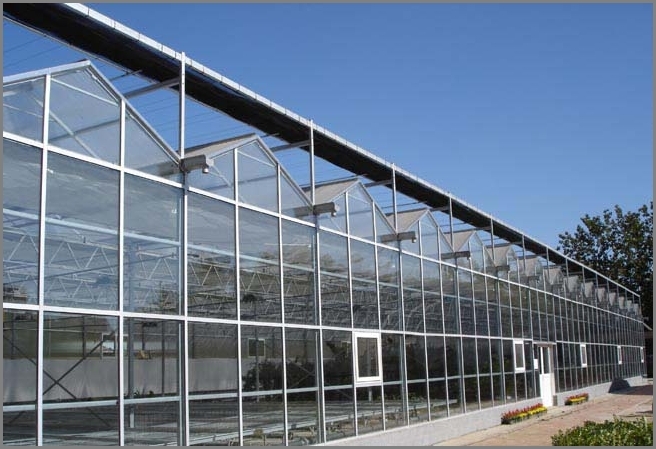
In terms of structure, the hollow polycarbonate sheets used for the roof are the core component for energy efficiency. These sheets contain sealed air pockets; since air is an excellent thermal insulator, it effectively blocks heat transfer. In winter, heat generated by crops and soil is retained within the greenhouse, reducing the frequency at which heating systems need to cycle on and off, thereby lowering winter heating energy consumption. In summer, the hollow sheets block solar radiant heat, slowing the rise in internal temperature and eliminating the need for prolonged operation of high-power cooling equipment, such as evaporative cooling pads and fans. Furthermore, polycarbonate sheets with protective coatings on both sides can filter out intense light, lowering peak temperatures inside the greenhouse, mitigating heat stress, and indirectly reducing the load on cooling systems. The side walls utilize tempered glass designed specifically for agricultural use, ensuring ample natural light enters the greenhouse. This abundant and consistent natural light minimizes the need for supplemental artificial lighting. In contrast, the materials used for the side walls of conventional greenhouses tend to degrade over time, leading to reduced light transmission; as a result, many farms are eventually forced to install supplemental lighting systems, which consume significant amounts of electricity. Glass, however, maintains stable light transmission over the long term, eliminating concerns about light degradation and saving energy by avoiding the need for supplemental lighting.
Regardless of the greenhouse type, the ventilation system is always a primary concern for users. Smart glass polycarbonate greenhouses employ an integrated environmental control system—combining roof vents with side-mounted roll-up curtains—to regulate the internal climate through natural convection, thereby reducing reliance on mechanical equipment. Built-in temperature and humidity sensors monitor the greenhouse environment in real time; when conditions fall within the optimal range, the system automatically adjusts the roof vents and side curtains to facilitate natural airflow, venting out warm, humid air. Only during periods of extreme heat does the system activate evaporative cooling pads and fans to provide additional cooling. By prioritizing natural ventilation, the greenhouse minimizes the operating time of high-power mechanical equipment, resulting in sustained energy savings. Any condensation that forms due to temperature differentials is captured by specialized collection channels located beneath the roof gutters and drained outdoors via flexible hoses, preventing water droplets from falling onto the crops. High-humidity conditions caused by water droplets are highly conducive to the outbreak of plant diseases. Once an outbreak occurs, it not only leads to reduced yields but also necessitates the continuous operation of dehumidification equipment. A condensation-collection system provides stable control over leaf-surface moisture and reduces overall humidity fluctuations within the greenhouse; this lowers the energy consumption required for additional dehumidification, while simultaneously decreasing the need for pesticides and reducing farm operating costs.
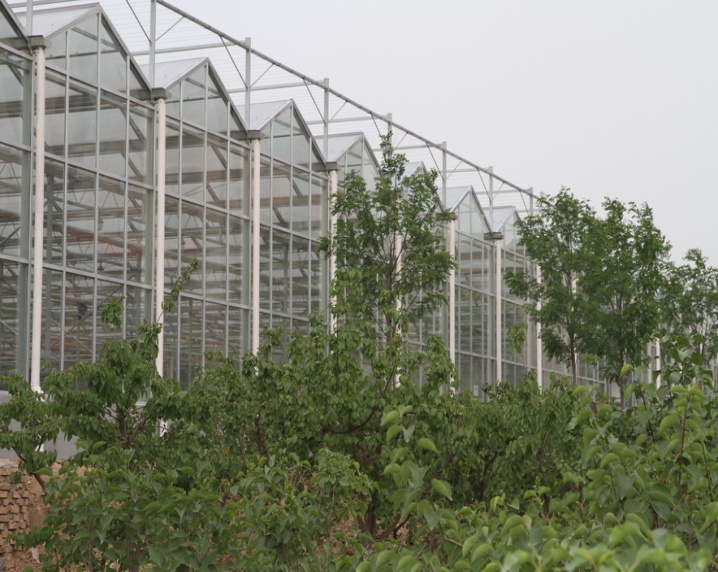
A key advantage of our smart glass polycarbonate greenhouses lies in the use of a hot-dip galvanizing process—applied both internally and externally—which ensures superior structural stability over the long term. High-quality rubber seals are incorporated into the sealing system to minimize air leakage and heat loss through gaps. Furthermore, we optimize the greenhouse height, ventilation window area, and glazing material selection based on the specific climatic conditions of your region, maximizing energy efficiency. The overall structure effectively maintains the optimal light, temperature, and humidity levels required for crop growth, making it an ideal choice for high-value commercial cultivation—such as tomatoes, bell peppers, cucumbers, strawberries, and flowers. If you are seeking a greenhouse solution designed to reduce energy consumption, please contact us; we would be happy to develop a customized plan tailored to your local climate and the specific crops you intend to grow.
FAQ


