







2026-10-19
Overseas Farm Multi-Span Plastic Film Greenhouse Project Successfully Completed
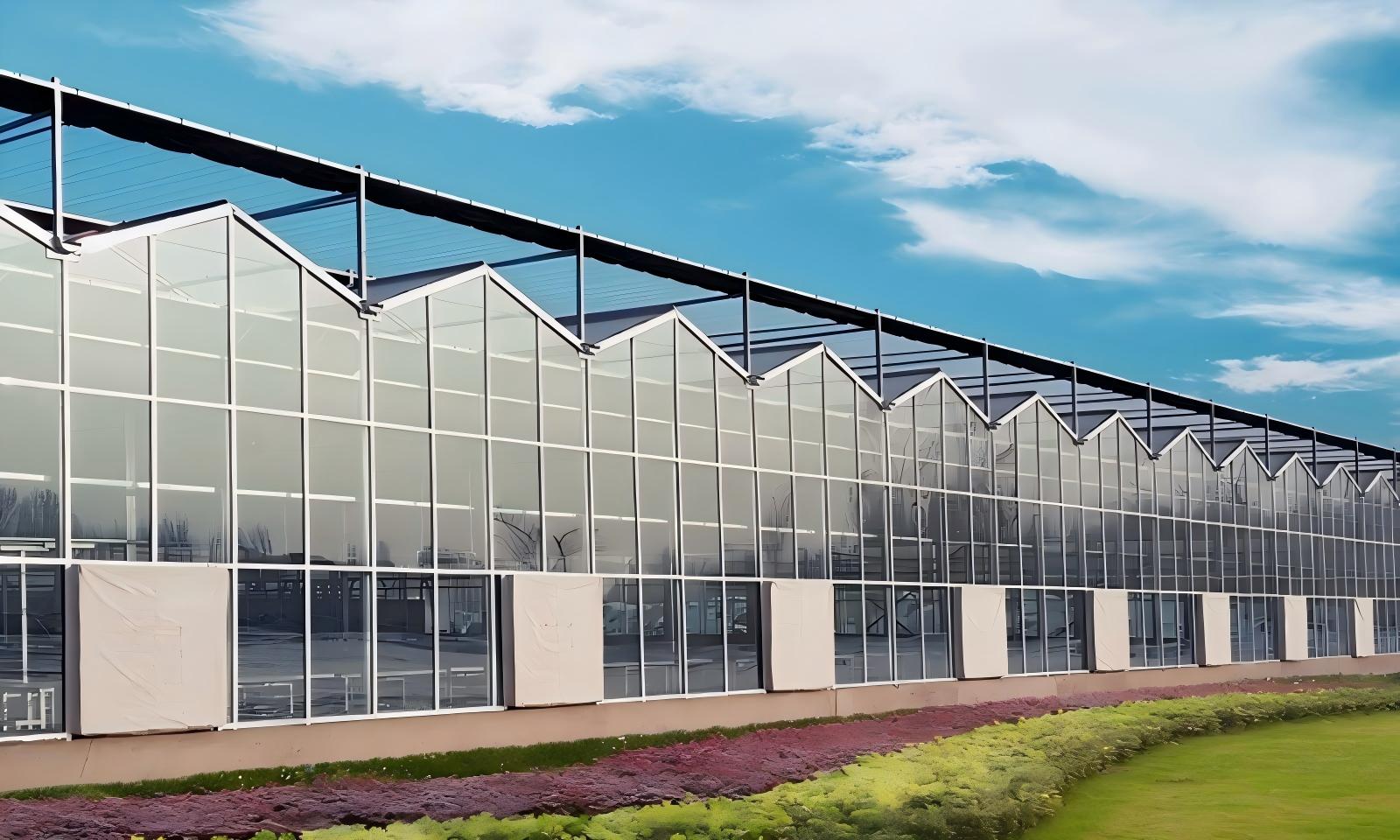
This overseas facility spans several thousand square meters and consists of a multi-span plastic film greenhouse constructed with a hot-dip galvanized, prefabricated steel framework, supported by precast reinforced concrete foundations. The interior offers an expansive, unobstructed space, facilitating practices such as vertical tomato cultivation, the use of small-scale agricultural machinery, and centralized irrigation and fertilization management—making it highly suitable for large-scale commercial production. Given that the project is located in a subtropical climate, it benefits from abundant year-round sunlight; however, the region also experiences heavy rainfall during the wet season, high humidity, and intense summer heat. These conditions make tomatoes particularly susceptible to fungal diseases, necessitating a strong focus on the greenhouse’s light transmission, humidity control, and structural resilience against heavy rain and strong winds.
We recommend single-layer PO film multi-span greenhouses for our users
Before making our recommendations, we analyzed the local climate and the specific requirements of tomato crops. Tomatoes are light-loving commercial crops; light exposure directly dictates their growth rate, fruit size, coloration, and flavor quality. PO (polyolefin) film offers exceptional light transmission—significantly reducing light loss compared to multi-layered covering materials. By allowing ample natural light to enter the greenhouse, it fuels photosynthesis, promotes robust plant development, facilitates fruit expansion, and ensures uniform ripening. Ultimately, this boosts both total yield and the quality of marketable produce, enabling farms to command better prices.
In conventional greenhouse films, temperature fluctuations between day and night often cause water vapor to condense into droplets. When these droplets fall onto tomato leaves, they can trigger fungal diseases. In contrast, PO film features built-in, long-lasting anti-drip and anti-fog properties. Instead of forming droplets, water vapor condenses into a continuous, thin film of water that flows down the surface of the covering, collects in the side gutters, and is drained away through downspouts.
A single-layer PO film system requires no additional inflation equipment, resulting in lower initial construction costs. Furthermore, as greenhouse films are consumables, this single-layer setup is easy to remove and replace—a task that can be handled by farm staff without the need for complex, specialized machinery, thereby reducing labor costs during replacement. For farms engaged in long-term commercial operations, this solution effectively controls annual maintenance expenses and delivers a superior return on investment, making it an ideal choice for large-scale, sustainable commercial tomato cultivation.
Supporting system: Natural ventilation system featuring top-opening windows and side roll-up curtains
When customizing a greenhouse, overseas users often prioritize the ventilation system. This multi-span plastic film greenhouse utilizes a combination of roof vents and manually operated side-wall roll-up vents, relying on natural airflow for ventilation—a standard solution for commercial cultivation. Since warm air is lighter, it rises and accumulates at the top of the greenhouse, while cooler, denser air enters through the low-level side vents. By positioning the roof vents near the gutters—the highest point of the structure—alongside the manual roll-up vents on the side walls, a continuous, cross-flow ventilation channel is created. Warm air rises and escapes through the roof vents, while cool, fresh outdoor air enters through the side roll-up vents, establishing a consistent, circulating exchange of air within the greenhouse.
During hot and humid seasons, opening both the roof vents and the side roll-up vents allows accumulated warm, moist air to be expelled rapidly. This effectively lowers the internal temperature and relative humidity, disrupting the damp, stifling environment that pathogens thrive in. Consequently, the incidence of disease is reduced, leading to lower costs associated with pesticide use. This entire system requires no electrical equipment—such as motors, frequency converters, or sensors—and can be easily adjusted by growers throughout the day in response to changing weather conditions, all without any electricity consumption.
Delivery Lead Time for Multi-Span Plastic Film Greenhouses
For overseas clients, we provide comprehensive, end-to-end project management. This covers every stage—from the finalization of blueprints, factory production, and component packaging to ocean freight, on-site installation guidance, and final project acceptance. By maintaining full control over the entire timeline, we ensure that our clients can begin operations exactly as scheduled.
Upon receiving a client’s requirements, we immediately initiate production. Structural frames, columns, arch poles, gutters, window-opening components, and film-rolling mechanisms are all standardized and manufactured in our factory, with standard parts kept in stock. The production process is entirely independent of weather conditions. Every component is grouped, numbered, and labeled according to the installation sequence; steel structures are treated with anti-rust protection, while films and accessories are individually packed in waterproof materials. We pack all items in strict accordance with international export and shipping standards, ensuring that all customs documentation and packing lists are complete to prevent any omissions. All parts are designed with standardized specifications and precision-engineered hole alignments, eliminating issues such as mismatched components or dimensional discrepancies. Even if clients choose to hire local labor for construction, they can successfully complete the assembly by following our blueprints and installation videos—removing the need for long-term reliance on specialized external construction crews and significantly shortening the on-site construction period.
FAQ
Q1: Can a multi-span greenhouse covered with a single layer of PO film withstand local high winds or snow loads?


