



How to Choose the Right Agricultural Greenhouse Manufacturer? A Complete Evaluation from Manufacturing Capacity to Project Delivery
Chapter 1: Why Is Choosing the Right Agricultural Greenhouse Manufacturer So Important?
For commercial agricultural projects, a greenhouse manufacturer does more than produce greenhouse structures. Its engineering expertise, manufacturing capabilities, and project management can directly affect the overall project outcome. Therefore, choosing the right agricultural greenhouse manufacturer should involve more than comparing prices. Buyers should also evaluate engineering experience, manufacturing capacity, customization capabilities, and project delivery.
A professional manufacturer can develop a suitable design based on local climate, crop type, and project scale. Wind, rainfall, temperature, and light conditions vary by region, and a standard solution may not fully meet actual growing requirements. Proper structural and system design can improve greenhouse stability and operational efficiency.
Manufacturing capacity also affects product quality and delivery schedules. A stable production system covering steel fabrication, covering materials, supporting equipment, packaging, and shipping helps keep projects on schedule. For large commercial greenhouse projects, the manufacturer’s ability to coordinate design, production, and delivery is equally important.
Therefore, choosing the right greenhouse manufacturer is essentially about selecting a reliable partner for the long-term development and operation of the agricultural project.
Chapter 2: What Capabilities Should You Evaluate in an Agricultural Greenhouse Manufacturer?
When selecting an agricultural greenhouse manufacturer, buyers should look beyond product catalogs and quotations. Engineering design, manufacturing capability, quality control, customization, and project management should all be evaluated. A capable manufacturer should be able to match the greenhouse structure with the actual requirements of agricultural production.
First is engineering design capability. Whether a manufacturer can design greenhouse structures according to local wind, rainfall, temperature, and light conditions is an important indicator of expertise. Buyers should also determine whether the manufacturer can adjust the greenhouse structure and supporting systems according to crop type, cultivation method, and project scale.
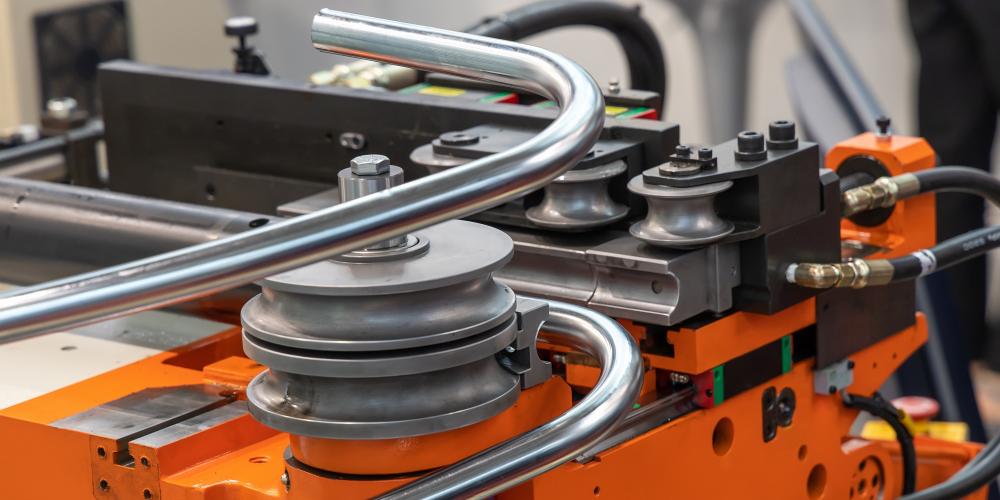
The second factor is manufacturing capacity and quality control. Stable material sourcing, steel fabrication, corrosion protection, covering materials, and component production can directly affect product quality and delivery time. Buyers should also check whether the manufacturer has quality inspection procedures to ensure that products meet design requirements before shipment.
Customization capability is equally important. Commercial agricultural projects often have different requirements for dimensions, climate, crops, and automation. A professional manufacturer should be able to provide tailored greenhouse structures, covering materials, ventilation, cooling, irrigation, and smart control configurations rather than simply applying a standard design.
Finally, project management and delivery capabilities should also be examined, including technical communication, production progress, packaging and transportation, installation support, and after-sales service. Only by combining design, manufacturing, and delivery capabilities can manufacturers truly provide stable and reliable project support for agricultural projects.
Chapter 3: How Should Different Agricultural Projects Choose a Greenhouse Manufacturer?
Different agricultural projects have different requirements for greenhouse structures, equipment, and automation. Therefore, buyers should first define the project type and production goals, then evaluate whether a manufacturer has the appropriate design and manufacturing capabilities. For large-scale commercial agricultural projects, manufacturing capacity, engineering expertise, and project delivery capabilities are particularly important.
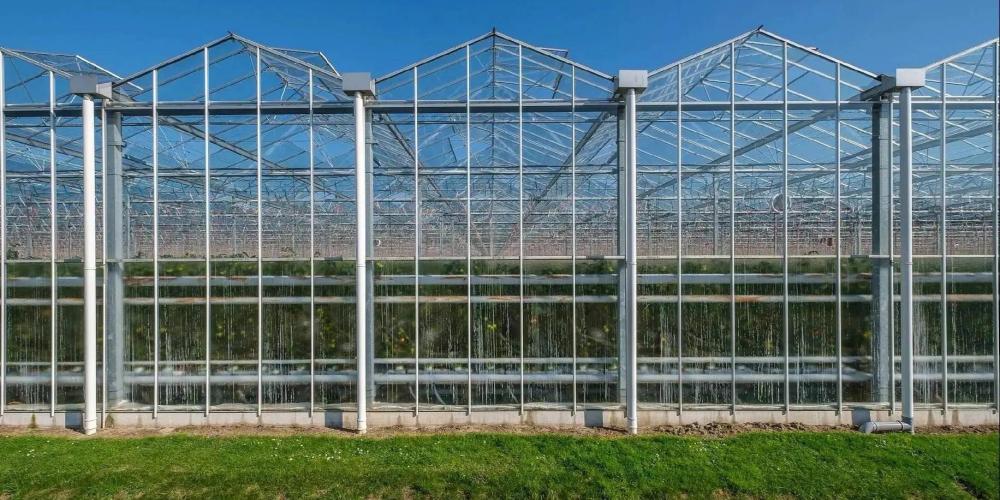
For large commercial farms and agricultural parks, buyers should prioritize manufacturers experienced in multi-span and Venlo greenhouse projects, with strong capabilities in mass production, structural design, climate control integration, and project coordination. For high-value crop projects, experience with glass or polycarbonate greenhouses, precise climate control, irrigation and fertigation, and smart systems should receive greater attention.
For small and medium-sized commercial projects, cost efficiency and practicality may be more important. Manufacturers with proven experience in film, tunnel, or Gothic greenhouses can be considered, while future expansion should also be taken into account. For projects in challenging climates, buyers should focus on whether the manufacturer can adapt structural and climate control designs to local wind, rainfall, snow, high-temperature, or low-temperature conditions.
Therefore, choosing a greenhouse manufacturer should not be based simply on product range or quotation. Buyers should determine whether the manufacturer’s capabilities truly match the project requirements. The right manufacturer should provide more than greenhouse products—it should have the ability to support the project from design and manufacturing through delivery, providing a more reliable solution for different agricultural applications.
Chapter 4: How Can You Verify a Greenhouse Manufacturer’s Manufacturing and Delivery Capabilities?
For overseas greenhouse buyers, it can be difficult to determine a manufacturer’s actual production capabilities based only on product images and quotations. A more reliable approach is to evaluate its factory facilities, production processes, quality control, project experience, and delivery management to reduce procurement and project delay risks.
First, buyers should examine the manufacturer’s production facilities and processing capabilities. Steel fabrication equipment, welding and forming facilities, surface treatment capabilities, and storage for covering materials and components can provide insight into its actual manufacturing base. For large projects, buyers should also confirm whether the manufacturer can handle multiple orders and large-scale production.
Second, buyers should examine the manufacturer’s production and quality control process. Every stage, from material sourcing and fabrication to corrosion protection, inspection, packaging, and shipment, can affect final product quality. A professional manufacturer should be able to provide clear specifications, technical drawings, and inspection procedures so buyers can verify that products are manufactured according to the approved design.
In addition, project delivery capability is equally important. Buyers should confirm the design approval process, production schedule, packaging, shipping arrangements, and installation or commissioning support in advance. Previous experience with projects of different scales and locations can also provide valuable insight. Effective project management helps coordinate manufacturing and logistics while reducing delays caused by poor communication.